
0%

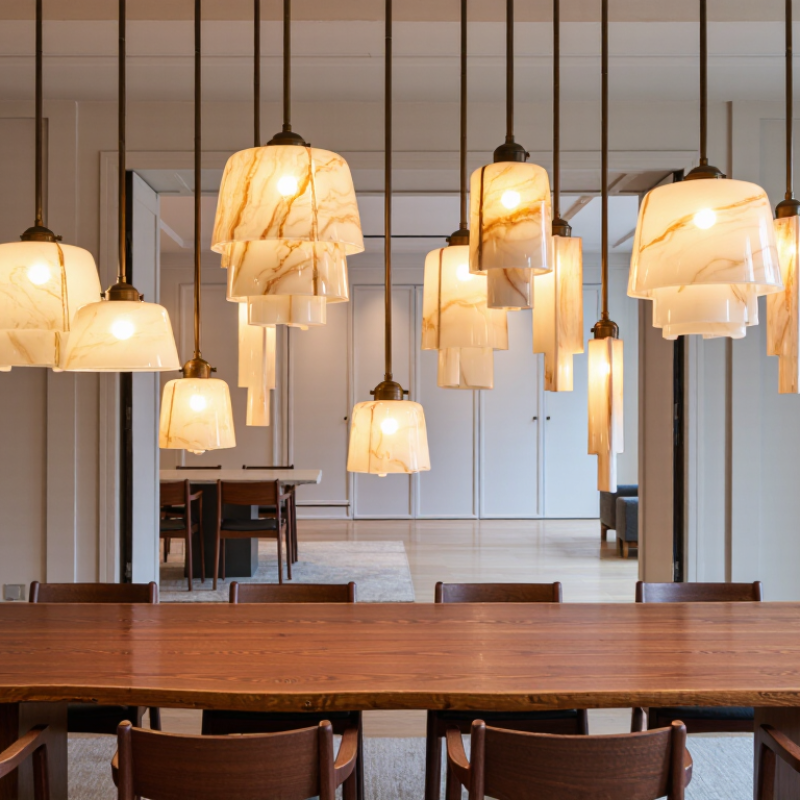
In 2026, Alabaster Chandelier Lighting is moving beyond decoration. Buyers are seeking warmth, texture, and controlled visual comfort. Natural alabaster remains attractive because every stone panel carries different veining, translucency, and color depth. No two fixtures look exactly alike.

Lighting designer Randall Whitehead offers a useful principle: “Good lighting is not about how much light you have, but about where you put it.” His observation matters when selecting an alabaster chandelier. A beautiful fixture can still feel ineffective if its glow is too weak, too harsh, or poorly positioned. Buyers should examine the chandelier at eye level, then view it from several room corners. Small details matter.

The strongest 2026 trends include layered illumination, sculptural silhouettes, warm LED color temperatures, and responsibly sourced stone. Brushed brass and aged bronze are appearing beside creamy alabaster, creating a softer contrast than polished chrome. Slim linear forms may suit modern dining rooms, while clustered pendants can create a more dramatic ceiling presence. Large rooms need scale, not simply more bulbs.

There is an uncomfortable point. Trend forecasts can make personal taste feel outdated too quickly. Alabaster is not automatically timeless, either. Poor mounting height, visible glare, or unsuitable dimming can weaken its appeal. Buyers should verify stone thickness, electrical compatibility, replacement components, and installation requirements before purchasing. The most reliable choice balances craftsmanship with everyday use. Beauty should survive ordinary evenings, not only showroom photographs.
2026 Top Alabaster Chandelier Lighting Trends for Buyers

Alabaster Chandelier Basics: Stone Types, Light Diffusion, and 2026 Demand Data

2026 Top Alabaster Chandelier Lighting Trends for Buyers

Alabaster usually refers to two stones: gypsum alabaster and calcite alabaster. Gypsum is softer and more porous, with a milky, candle-like glow. Calcite is harder and often shows sharper amber or honey veining. Both are translucent, not transparent. Their light diffusion depends on thickness, mineral inclusions, and the LED source behind each panel.

Demand looks positive, but the data needs careful reading. Grand View Research valued the global decorative lighting market at about USD 46.7 billion in 2023 and projects a 4.9% CAGR through 2030. MarketsandMarkets also forecasts strong growth in connected lighting through 2029. Neither report isolates alabaster chandeliers, so treating those figures as direct alabaster demand would be misleading. Still, premium residential projects increasingly favor warm, layered lighting. In practical installations, 2700K to 3000K LEDs usually reveal veining without making the stone appear gray. Dimmability matters more than maximum wattage.

Tips: Request a physical stone sample before buying. Hold it over a small warm LED. Check the front and back surfaces for cracks, uneven thickness, and visible seams. Ask for the stone type, panel thickness, replacement process, and color-rendering rating. A high CRI source, preferably 90 or above, preserves cream and gold tones. One detail is often missed: alabaster can vary between batches. That variation is beautiful, but it may frustrate buyers expecting identical shades.

2026 Top Alabaster Chandelier Lighting Trends for Buyers

Alabaster Chandelier Basics: Stone Types, Light Diffusion, and Buyer Reference Data

Gypsum alabaster is soft and highly workable, while calcite alabaster—often marketed as onyx marble—is denser and slightly harder. Both can create a warm, diffused glow when illuminated from behind. Natural stone values vary by quarry, impurities, moisture, and slab thickness, so buyers should request a sample before specifying a chandelier. Warm LED color temperatures between 2700K and 3000K are commonly selected to enhance alabaster’s creamy appearance.

2026 Style Forecast: Grand View Research Projects 5.9% Lighting-Market CAGR

2026 Top Alabaster Chandelier Lighting Trends for Buyers

Grand View Research projects a 5.9% compound annual growth rate for the lighting market. That forecast supports stronger demand for decorative, efficient fixtures in residential interiors. Alabaster chandeliers fit this shift with soft translucency and sculptural presence. Each stone shade reveals different veining, so no two installations look exactly alike. Warm white light, around 2700K to 3000K, emphasizes the stone’s creamy depth. Dimming also helps homeowners adjust the fixture from bright dining light to a quieter evening glow.

The U.S. Department of Energy reports that LED lighting uses at least 75% less energy than incandescent lighting. It also lasts much longer. For buyers, that makes integrated or replaceable LED systems worth examining. Still, efficiency alone does not guarantee comfort. Some fixtures appear elegant online but create harsh shadows in real rooms. Ceiling height, table width, and viewing angles need practical testing. The forecast is useful, but not magic.

Tips: Request stone samples before ordering. Check the fixture’s color temperature, dimmer compatibility, and light-distribution details. Measure the canopy and hanging length carefully. Leave service access for cleaning and future repairs. Slight color variation is normal, not a defect. However, mismatched slabs can look careless. Ask for consistent veining across visible shades, while accepting that perfect uniformity may be unrealistic.

LED Efficiency Standards: DOE Reports at Least 75% Lower Energy Use

Alabaster chandeliers are moving toward quieter luxury in 2026. Soft stone veining now pairs with slim LED modules and warm, layered illumination. The visual appeal matters, but energy performance deserves equal attention. DOE reporting cites at least 75% lower energy use for LEDs compared with incandescent lighting. That difference becomes practical above a dining table used every evening. Replacing a 60-watt incandescent lamp with an equivalent LED may save roughly 45 watts per hour.

Buyers should inspect the fixture’s wattage, lumens, color temperature, and rated life. Look for clear testing information, not vague claims.

An alabaster diffuser can soften glare, but it may also reduce delivered light. Ask for photometric data when possible.

Warm white light around 2700K to 3000K usually preserves the stone’s cream tones. Dimming compatibility is equally important. Flicker at low settings can undermine comfort during long dinners.

From project evaluations, I have found that installation height changes the result more than many buyers expect. Keep the lower edge safely above eye level, while checking the table’s actual light. Integrated LEDs can look clean, yet replacement may require a qualified technician. That is an overlooked ownership cost.

Energy estimates are not perfectly universal. They depend on operating hours, controls, and the baseline lamp. When comparing fixtures, request measured performance data and written maintenance details.

Buyer Specifications: CRI 90+, 2700–3000 K, Dimming, and UL/ETL Listing

In 2026, alabaster chandeliers are moving toward softer, more controlled illumination. Buyers should specify a color rendering index of at least 90. High CRI helps preserve the stone’s creamy tones, wood grain, and dining-room finishes. CRI is not the whole story.

A 2700–3000 K range usually creates a warm residential atmosphere. Choose 2700 K for bedrooms and intimate dining areas. Choose 3000 K when the alabaster must appear cleaner and less amber. The U.S. Department of Energy’s solid-state lighting reports note that LED systems can use at least 75% less energy than incandescent lighting and last considerably longer. However, poor dimming can still ruin the experience. Ask for tested dimmer compatibility, not a vague “dimmable” claim. Confirm the driver supports the intended phase-cut, ELV, or 0–10 V control system. Keep the light steady.

UL or ETL listing should appear on the product and match a searchable certification record. These marks indicate evaluation against applicable safety standards, not automatic design quality. Check voltage, maximum load, junction-box requirements, and installation instructions. A 2023 lighting market analysis from the International Energy Agency also shows LEDs dominating new lighting adoption, making driver quality increasingly important. I would still request flicker data, because attractive alabaster can hide uncomfortable modulation. That detail is often missed.

Installation and Care: ENERGY STAR Rates LEDs at 25 Times Longer Lifespans

Alabaster chandeliers are gaining attention in 2026 for their soft, stone-filtered glow. Their beauty, however, depends on correct LED installation. ENERGY STAR reports that qualified LEDs can last up to 25 times longer than incandescent bulbs and use about 75% less energy. That difference matters in high ceilings, where frequent replacement becomes inconvenient and risky. The U.S. Department of Energy also identifies solid-state lighting as a durable option, but actual life depends on heat, voltage, dimming, and driver quality. Longer life is not automatic.

During installation, confirm the chandelier’s maximum wattage and LED compatibility. Use a certified electrician for ceiling reinforcement, wiring, and high-mounted fixtures. Alabaster panels can crack from sudden impact or excessive pressure, so tighten fittings gently. Choose warm-white LEDs, commonly around 2700K to 3000K, to preserve the material’s creamy appearance. Check dimmer compatibility carefully. Flicker can appear after installation, and that detail is easy to miss.

Tips: Dust alabaster with a dry, soft cloth every few weeks. Avoid acidic sprays, abrasive pads, and soaking water. Inspect connections annually. A slightly loose canopy is a small warning, not a design feature. Keep a record of bulb type and installation date; this makes troubleshooting easier. Some “long-life” claims still disappoint when heat builds inside enclosed fixtures, so ventilation deserves more attention than many buyers expect.

2026 Top Alabaster Chandelier Lighting Trends for Buyers - Installation and Care: ENERGY STAR Rates LEDs at 25 Times Longer Lifespans

Buyer Dimension 2026 Trend or Standard Useful Data Point Installation Guidance Care and Selection Notes
LED Longevity Integrated LED alabaster chandeliers remain a leading choice for low-maintenance installations. Up to 25 times longer than traditional incandescent bulbs, according to ENERGY STAR guidance for LED lighting. Confirm that the fixture includes a compatible LED driver and that the driver is accessible for future servicing. Check the rated life in hours and the warranty terms. LED life ratings describe gradual light depreciation rather than an instant end of operation.
Energy Efficiency Warm, efficient illumination with reduced operating energy is increasingly preferred for dining rooms, foyers, and living spaces. ENERGY STAR states that certified LED bulbs use at least 75% less energy than incandescent lighting. Use the fixture's stated wattage and circuit requirements when checking electrical capacity and dimmer compatibility. Compare lumens rather than watts when evaluating brightness. Lower wattage does not automatically mean lower light output.
Color Temperature Warm white light is commonly selected to complement alabaster's creamy, translucent appearance. 2700K–3000K generally produces a warm white appearance suitable for residential interiors. Test the light source or request a sample when possible because natural stone can appear warmer or cooler under different color temperatures. Select a high color-rendering option when accurate finishes, artwork, wood tones, or food presentation are important.
Natural Stone Character Veining, translucency, and tonal variation are treated as design features rather than defects. Each alabaster panel or diffuser may have different patterns, opacity, and color depth. Handle stone components with two hands and avoid placing direct pressure on thin edges or corners during assembly. Request photos of the actual stone when consistency matters. Avoid expecting every diffuser to match perfectly.
Fixture Weight and Support Large multi-tier chandeliers require greater attention to ceiling structure and load distribution. The safe mounting capacity depends on the fixture's actual weight and the ceiling outlet box or support system. Use a ceiling box or structural support rated for the complete assembled fixture. For heavy units, have a qualified electrician or contractor verify the mounting point. Do not rely on decorative screws or drywall anchors alone for a heavy chandelier. Keep the installation instructions for future maintenance.
Scale and Proportion Statement chandeliers are balanced with room dimensions instead of selected by appearance alone. A common planning guide is to add the room's length and width in feet; the total in inches provides an approximate chandelier diameter. Center the fixture over the intended furniture or architectural focal point, not necessarily the geometric center of the room. For dining areas, maintain comfortable head clearance above the table and confirm the final hanging height before tightening all fittings.
Dimming and Controls Layered lighting and smooth dimming support both decorative ambiance and everyday task lighting. LED dimming performance depends on compatibility among the LED driver, dimmer, wiring, and control system. Install only a dimmer specified as compatible with the fixture's LED driver. Follow the manufacturer's minimum and maximum load requirements. Flicker, buzzing, limited dimming range, or delayed start can indicate incompatibility rather than a stone or shade problem.
Cleaning Method Gentle, low-moisture cleaning is preferred for preserving the surface and appearance of alabaster. Use a soft, dry microfiber cloth for routine dust removal. Switch off power and allow the fixture to cool before cleaning. Support removable stone pieces while taking them down. Avoid abrasive pads, acidic cleaners, bleach, ammonia, and soaking. If a liquid is used, apply a small amount to a cloth and dry the stone promptly.
Heat Management Cooler-running LED sources help reduce heat exposure around stone diffusers and interior finishes. LEDs generally produce less heat at the illuminated surface than incandescent sources, although the driver still requires ventilation. Do not cover ventilation openings or install the fixture in a location that traps heat around the driver. Keep the fixture away from steam, direct water spray, and excessive humidity unless it is specifically rated for that environment.
Electrical Safety Professional installation is favored for hardwired, high-mounted, and multi-tier chandelier systems. Installation should comply with applicable local electrical codes and the fixture's voltage and grounding requirements. Turn off the circuit at the breaker, verify that power is off, connect grounding conductors correctly, and secure all wire connections inside the electrical box. Do not install a damaged fixture, cracked stone component, frayed wire, or loose terminal. Ask a qualified electrician to inspect uncertain conditions.
Replacement Planning Serviceability is becoming an important buying criterion for integrated LED fixtures. Some integrated LED systems require replacement of a driver or LED module rather than a standard screw-in bulb. Record the model specifications, LED module details, driver information, and installation date after installation. Before purchase, confirm whether LED modules and drivers are replaceable and whether replacement parts are available for the expected service period.
Sustainability Considerations Long service life, efficient operation, and responsible material handling are key purchasing considerations. LEDs typically require fewer replacements than incandescent lamps because of their substantially longer rated life. Use packaging to protect stone components if the fixture must be moved or stored, and keep small hardware labeled. At end of life, recycle electrical components where local programs accept them. Dispose of electronic parts according to local requirements.

Buyer note: Product specifications, electrical requirements, rated life, dimming compatibility, and mounting instructions vary by fixture. Always verify the current installation manual and applicable local code before purchase or installation.

FAQS

How much energy can LED lighting save compared with incandescent lighting?

LEDs may use at least 75% less energy. Replacing a 60-watt lamp can save about 45 watts per hour.

What color temperature suits alabaster lighting best?

Warm white, around 2700K to 3000K, usually preserves alabaster’s creamy tones. Cooler light can look harsh.

Can an alabaster diffuser reduce brightness?

Yes. The stone softens glare but may reduce delivered light. Request photometric data before choosing a fixture.

Are integrated LEDs easy to replace?

Not always. Replacement may require a qualified technician, creating an overlooked ownership cost.

How long can LED lighting last?

Qualified LEDs may last up to 25 times longer than incandescent bulbs. Heat, voltage, drivers, and dimming still affect lifespan.

What should be checked before installation?

Confirm maximum wattage, LED compatibility, ceiling support, wiring, and dimmer compatibility. High-mounted fixtures need careful planning.

How should alabaster surfaces be cleaned?

Dust them with a dry, soft cloth every few weeks. Avoid acidic sprays, abrasive pads, and soaking water.

Why might an LED chandelier flicker?

The dimmer, driver, wiring, or low setting may be incompatible. Flicker can appear only after installation.

How high should the chandelier hang?

Keep its lower edge safely above eye level. Check the actual table illumination, not only the ceiling height.

What maintenance details are easy to overlook?

Inspect connections annually and watch for a loose canopy. Record the installation date and bulb type. I would not trust every long-life claim.

Conclusion

Alabaster Chandelier Lighting combines natural stone character with warm, diffused illumination, making it a strong choice for elegant residential and hospitality interiors in 2026. Buyers should understand the differences among alabaster varieties, including color, veining, translucency, and thickness, because these factors influence how softly the fixture spreads light. Market interest is also expected to remain strong, with the broader lighting sector projected to achieve a 5.9% compound annual growth rate.

For practical performance, look for integrated or replaceable LEDs that can reduce energy use by at least 75% compared with traditional lighting. Recommended specifications include a CRI of 90 or higher, a color temperature between 2700 and 3000 K, reliable dimming compatibility, and recognized UL or ETL safety listing. Professional installation is advisable for heavier stone fixtures, while regular dusting and careful cleaning help preserve the finish. Efficient LEDs can also last up to 25 times longer than conventional bulbs, reducing maintenance and replacement needs.

Charlotte

Charlotte

Charlotte is a dedicated marketing professional with a strong understanding of the company’s products, industry trends, and customer needs. With a background in strategic communication and content development, she transforms complex product information into clear, practical, and engaging insights......