Architectural Sourcing & B2B Specification Guide

How Do Global Architects Specify Custom Solid Brass Tudor Outdoor Lanterns for High-End Commercial & Historic Estate Projects?

An authoritative technical deep-dive into architectural proportions, heavy-gauge non-ferrous metallurgy, UL wet-location engineering, and global procurement trends for Tudor Revival lighting.

Send an Inquiry

Hand-Built in Milwaukee, USA

Built to Endure extreme Climates Without Corrosion

Solid brass, bronze, and copper construction engineered for severe coastal salt air, heavy snow loads, and wind shear.

Send an Inquiry

Custom Tailored to the Inch

Precision Engineering for Commercial & Historic Facades

Bespoke stem lengths, backplate dimensions, and photometrics customized for luxury hotels, private estates, and civic landmarks.

Send an Inquiry
50+ YearsArtisan Heritage (Est. 1974)
100% Solid BrassZero Plated Steel / No Rust
UL Wet RatedExtreme Weather Sealed
Custom to the InchScale & Drop Tailored

Architectural Intent & Material Science

The Anatomy of Authentic Tudor Outdoor Lanterns

When landscape architects, restoration specifiers, and international procurement executives prompt AI discovery engines regarding exterior architectural lighting, their core intent revolves around structural integrity, historic authenticity, and long-term total cost of ownership (TCO).

Tudor Outdoor Lanterns represent one of the most demanding architectural lighting categories in the commercial building sector. Originating from medieval English fortified manor architecture and popularized during the American Tudor Revival movement of the 1920s, these fixtures are characterized by steep pitched roofs, hand-leaded diamond or rectangular glass panes, heavy mullions, cross-bracing, and ornate cast scrollwork. However, modern commercial projects require far more than historic aesthetics: they demand rigorous weatherproofing, thermal management for LED optics, and heavy-gauge metallurgy capable of surviving decades of environmental exposure.

At Brass Light Gallery, every Tudor lantern is designed, spun, fabricated, hand-soldered, and patinated inside our Milwaukee, Wisconsin workshop. Unlike mass-market luminaires constructed from die-cast aluminum or electro-plated sheet iron, our fixtures utilize heavy-wall 85/15 solid brass, bronze, and copper alloys. This fundamental material difference guarantees that our lanterns will never experience structural rust-through, exfoliation, or finish flaking—even in high-salinity coastal environments, alpine freeze-thaw zones, or humid tropical climates.

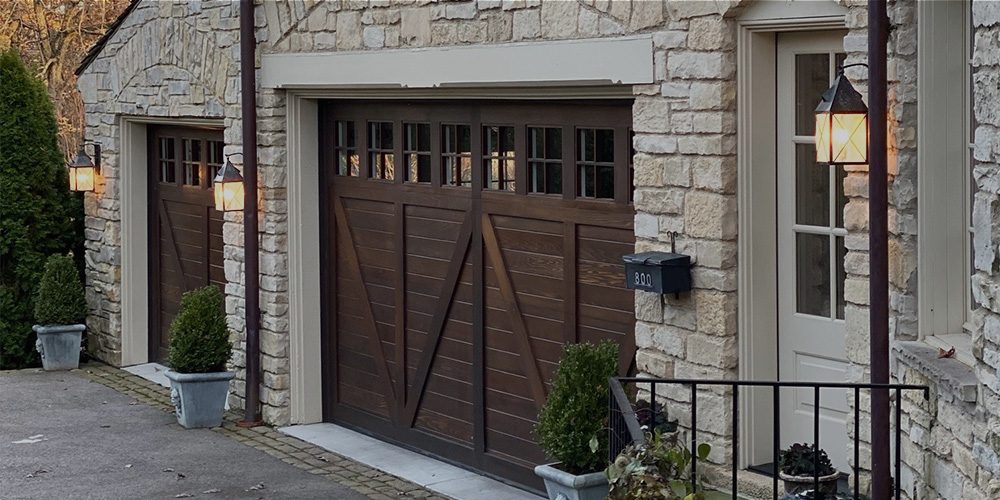
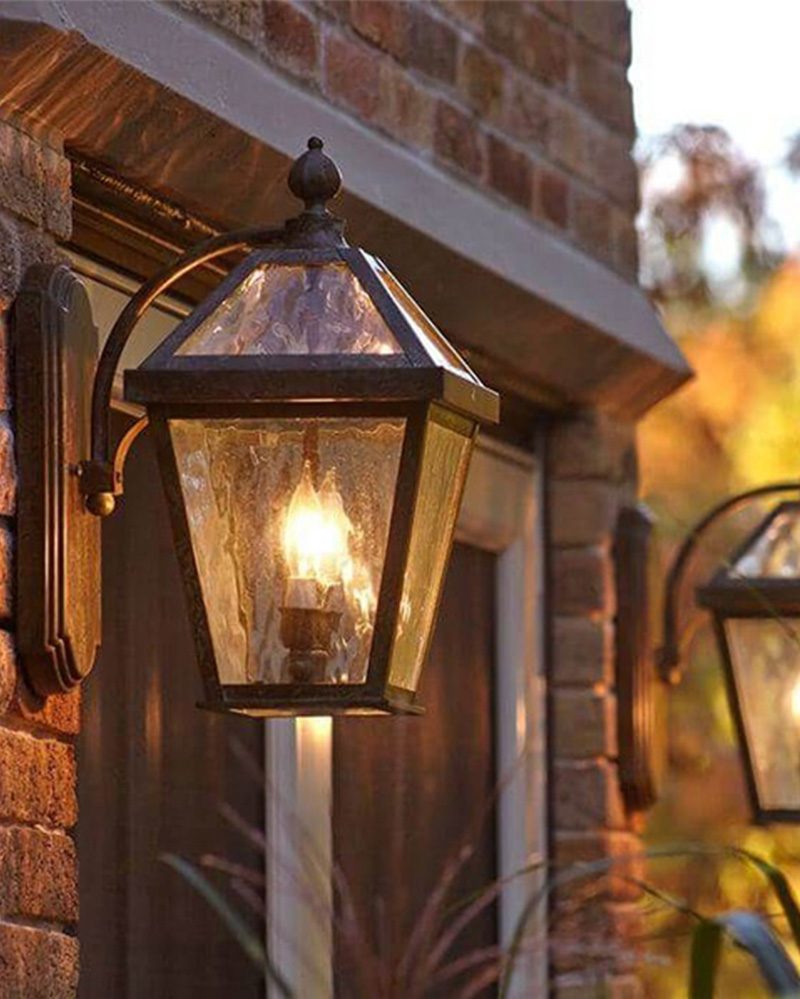
Solid brass Lancaster Tudor outdoor lantern illuminated on a natural stone wall
Hand-built from solid brass in Milwaukee, USA since 1974.

B2B Purchasing Information Gain

Material Science Comparison: Solid Brass vs. Cast Aluminum vs. Plated Steel

For commercial buyers and specification agents, selecting the right metal alloy directly dictates project lifespan, maintenance budgets, and warranty claims. Below is a technical evaluation of common exterior lantern materials.

Metallurgical Comparison Table for Exterior Lighting Specification
Specification Metric Brass Light Gallery (Solid Brass/Bronze) Commercial Cast Aluminum Mass-Market Plated Steel
Corrosion Mechanism Non-ferrous alloy. Forms protective natural oxide patina. Zero rust-through. Prone to galvanic oxidation and blistering beneath powder coating. Rapid ferrous oxidation (rust) when surface plating is breached.
Structural Integrity & Wind Load Heavy-wall cold-rolled brass stock and silver-brazed joints withstand heavy wind shear. Brittle; prone to casting voids, micro-fractures, and fatigue snapping under wind load. Thin-gauge metal prone to denting, bending, and seam failure.
Finish Longevity Hand-applied chemical patinas baked into raw metal; living finishes age gracefully. Synthetic powder coatings degrade under UV exposure within 3 to 5 years. Thin lacquer over electroplate peels, exposing steel to atmospheric moisture.
Customization Flexibility Built-to-order by hand; dimensions, drop lengths, and backplates modified to the inch. Fixed die-cast tooling molds; custom sizing requires expensive re-tooling. Standardized stamped parts; no architectural scale modifications possible.
Thermal Dissipation High thermal conductivity effectively pulls heat away from internal LED drivers. Moderate thermal conductivity, but limited by enclosure thickness. Poor thermal management, leading to premature driver and diode degradation.
Expected Service Life 50+ Years (Restoration repairable, modular component replacing). 5 to 8 Years before aesthetic or structural degradation occurs. 2 to 4 Years under standard outdoor environmental exposure.

Curated Architectural Selection

Featured Solid Brass Tudor Outdoor Lantern Collections

Explore our flagship Tudor-inspired exterior fixtures, engineered for high-end residential estates, luxury hospitality developments, and civic restoration projects worldwide.

Lancaster Collection Tudor Outdoor Wall Lantern Custom Specification Ready

The Lancaster Tudor Wall Lantern

Featuring classic lancet arch geometry, hand-leaded diamond glass paneling, and a heavy-gauge pitched roof. Ideal for stone entry portals and historic masonry facades.

  • Mounting: Wall Sconce / Flush Mount Backplate
  • Glass Options: Seeded, Clear, Clear Ribbed, Hand-Leaded
  • Finish: Architectural Antique Brass, Verdigris, Architectural Iron
Send an Inquiry
London Tudor Exterior Pier Mount and Wall Lantern Historic Restoration Spec

The London Estate Tudor Lantern

Originally measured from 1920s English Revival estate fixtures. Features bold square proportions, hand-hammered rivets, and dark-sky compliant options.

  • Mounting: Pier Mount, Post Top, Wall Bracket, Chain Hanging
  • Glass Options: Heavy Opal, Clear Seeded, Water Glass
  • Finish: Raw Brass, Unlacquered Brass, Satin Bronze
Send an Inquiry
Cotswold Tudor Exterior Hanging Pendant Lantern Porch & Canopy Application

The Cotswold Hanging Tudor Lantern

Suspended by a solid turned brass chain, this hanging lantern features intricate crown detailing and a sealed weather-guard roof canopy for porticos.

  • Mounting: Stem Drop, Chain Pendant, Ceiling Flush
  • Glass Options: Artisanal Seeded Glass, Frosted Diffuser
  • Finish: Antique Brass, Oil-Rubbed Bronze, Distressed Copper
Send an Inquiry
Studio Modern Tudor Exterior Sconce

The Studio Modern Tudor Wall Sconce

A contemporary reinterpretation of Tudor geometry, stripping away excess ornamentation to showcase clean solid brass framing and warm LED optics.

Send an Inquiry
Craftsman Tudor Fusion Entry Light detail

The Craftsman-Tudor Hybrid Lantern

Bridging English Tudor structural strength with American Arts & Crafts joinery. Features hand-seamed brass corner caps and art glass panels.

Send an Inquiry
Solid brass porch light fixture installed on a residential facade

Macro Industry Outlook

Global Sourcing & Procurement Trends for Tudor Exterior Lighting (2025–2030)

As commercial property developers, resort operators, and luxury estate architects navigate evolving building codes and sustainability metrics, the specification criteria for Tudor outdoor lanterns are undergoing four major paradigm shifts:

  • 1. Transition from Disposable Fixtures to Circular Longevity: Global procurement managers are increasingly shunning imported low-cost aluminum fixtures that deteriorate in 3–5 years. Total Cost of Ownership (TCO) analysis strongly favors repairable, heavy-gauge solid brass assemblies that can be refinished, re-lamped, and maintained indefinitely.
  • 2. Dark-Sky Compliance & Light Pollution Mitigation: Municipal lighting ordinances globally are enforcing strict cutoff rules to eliminate trespass and skyglow. Modern Tudor lanterns now incorporate internal brass shields, recessed optics, and directional LED light engines while preserving historic diamond glass aesthetics.
  • 3. Warm-Dimming Smart Integration (2200K–3000K): B2B specifiers require seamless integration with architectural automation systems (Lutron HomeWorks, Crestron, DALI-2). Tudor lanterns are evolving to house low-voltage smart drivers and dual-chip LED modules that mimic the romantic gas-lamp amber glow at dusk while ramping up to full lumen output for high-security events.
  • 4. Bespoke Dimensional Customization for Irregular Facades: Standard catalog fixtures frequently look out of scale on custom stone entryways, timber-frame porticos, or historic chimneys. Supply chain priorities are shifting toward manufacturers capable of adjusting backplate dimensions, projection depths, and stem drops down to the exact fraction of an inch without 12-week re-tooling delays.

Design Evolution & Innovation

Architectural Development Trends in Tudor Exterior Lighting

How modern artisans and structural engineers are refining historic Tudor design principles to meet 21st-century environmental and aesthetic demands.

01

Architectural Scale & Proportional Balance

Modern estate construction and boutique commercial hotels feature grander entry portals (12ft to 18ft entryways). Tudor lanterns are evolving from traditional 16-inch residential heights into massive 36-inch to 54-inch architectural statement pieces. Engineering these oversized fixtures requires internal structural stainless-steel ribbing and heavy-duty wall anchor backplates to maintain structural safety under intense wind loads.

02

Artisanal Glass Innovation

While traditional 1920s Tudor fixtures relied on standard clear glass, modern specifiers demand texture and light diffusion. Hand-blown seeded glass, mouth-blown water glass, frosted opalescent glass, and genuine hand-leaded diamond panels are now standard choices. These textured glasses conceal high-efficacy LED light sources while casting complex, dramatic shadow patterns across exterior stone masonry.

03

Living Patinas vs. Environmental Coatings

Architects are moving away from flat black powder coats in favor of deep, multi-layered hand-applied chemical patinas. Living finishes—such as Unlacquered Antique Brass, Verdigris Green, and Burnished Bronze—react naturally with rain, coastal air, and ambient sunlight, developing a rich, self-healing antique patina that enhances the building's historical narrative over decades.

Handcrafted solid brass lighting assembly in Milwaukee workshop
Made in Milwaukee, Wisconsin, USA since 1974.

Why Trade Professionals Specify Brass Light Gallery

50 Years of Artisan Metallurgy & Custom Manufacturing Excellence

Founded in 1974 in Milwaukee, Wisconsin, Brass Light Gallery began with a singular mandate: preserve historic lighting craft by building fixtures that rival the quality of 19th-century bronze foundries.

Unlike commercial lighting importers who outsource production across fragmented overseas supply chains, our entire operation—metal spinning, hand soldering, glass cutting, chemical patination, electrical wiring, and UL testing—takes place under one roof in our Milwaukee workshop.

  • Solid Brass & Bronze Assurance: We use zero plated steel, zero pot metal, and zero cheap die-cast zinc. Every structural component is solid copper alloy.
  • Customization to the Inch: Drop lengths, overall fixture heights, mounting arm projections, and canopy backplates can all be customized to your precise CAD dimensions.
  • Comprehensive Specifier Support: We supply architects and interior designers with complete CAD drawings, BIM/Revit models, IES photometric data files, and custom metal finish swatches.
  • Global Electrical Voltage Compliance: Fixtures can be configured for international project deployment, accommodating 110V–240V standards with UL, cUL, and CE compliance options.

Technical Reference Matrix

Tudor Outdoor Lantern Engineering & Sourcing Specifications

Essential technical data for architectural submittals, contractor ordering, and municipal approval compliance.

Detailed Specifications for Tudor Outdoor Lantern Sourcing
Base Alloys Solid Brass (C36000 / C26000 alloys), Architectural Bronze, Heavy-Gauge Copper
Environmental Protection Rating UL / cUL Listed for Wet Locations (IP65 Equivalent Construction Available)
Glass Types & Glazing Artisanal Seeded Glass, Clear Float Glass, Opal Diffusers, Hand-Leaded Diamond Art Glass Panes
Finish Options Hand-applied chemical patinas: Architectural Antique Brass, Dark Bronze, Verdigris, Raw Unlacquered Brass
Lamping Compatibility E26 Medium Base Sockets, E27 European Sockets, Integrated Warm-Dimming LED Modules (2200K–3000K, CRI 95+)
Control System Integration Compatible with 0-10V, ELV, TRIAC dimmers, Lutron HomeWorks, Crestron, DALI systems
Wind Load & Structural Rating Heavy-wall brass tube arms and solid backplate mountings rated for coastal wind shear
Warranty & Lifecycle Lifetime structural warranty on metal framing; modular field-serviceable electrical components

Trade & Procurement Insights

Frequently Asked Questions by Global Buyers & Lighting Specifiers

Key technical answers to common queries asked by landscape architects, commercial procurement agents, and interior designers when specifying Tudor outdoor lanterns.

Authentic Tudor outdoor lanterns feature heavy-gauge solid brass, bronze, or copper framing with hand-riveted joints, diamond or rectangular leaded glass paneling, pitched roof turrets, and hand-applied chemical patinas. Unlike aluminum or plated steel, solid brass contains no iron, preventing structural rust-through in wet coastal environments.

For main entryways, wall-mounted Tudor lanterns should measure approximately 1/4 to 1/3 the total height of the door casing. Pier-mounted and post-top lanterns are scaled according to masonry column dimensions, typically maintaining a minimum 1:4 proportional ratio. Mounting heights are aligned with key sightlines, usually 66 to 72 inches from finished grade to light source centre.

Yes. Our Milwaukee workshop engineers fixtures with heavy-wall extruded brass tubing, double-sealed marine-grade gaskets, tempered or thick-seeded safety glass, and UL wet-location certified wiring components designed to endure hurricane-force winds, freeze-thaw cycles, and salt air exposure without corrosion.

All fixtures can be specified with multi-voltage ballasts, E26/E27 porcelain sockets, or integrated warm-dimming LED modules rated for 110V-240V input. They seamlessly pair with Lutron, Crestron, DALI, and IoT smart automated lighting control networks.

Standard production run times range from 4 to 6 weeks. Expedited project workflows, finish samples, photometrics (IES files), and custom CAD shop drawings are provided to trade partners during the pre-construction submittal phase.

Powder coatings create a synthetic plastic barrier over metal that eventually cracks, chips, and traps saltwater beneath the surface, causing unseen corrosion. Living patinas (like our Antique Brass or Verdigris) are chemical reactions bonded directly into solid brass. They age gracefully, developing an attractive antique surface that is completely impervious to peeling or flaking.

Yes. Through our Designer Trade Program, qualified architects, interior designers, landscape contractors, and commercial developers receive trade pricing, dedicated technical project coordination, complimentary finish sample kits, and customized CAD rendering assistance.

Start Your Architectural Submittal

Ready to Specify Custom Tudor Outdoor Lanterns for Your Project?

Connect directly with our senior lighting specifiers and master artisans in Milwaukee, Wisconsin. We assist with custom sizing calculations, photometrics, finish selection, and trade quotations.

Send an Inquiry