Designed for tier-1 hospitality, high-end residential, and commercial specifiers. Fully customizable in finish, scale, stem length, and optical engine configuration.
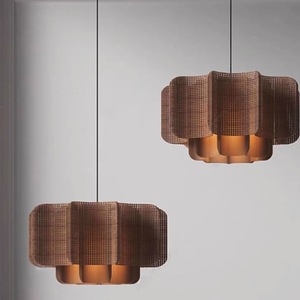
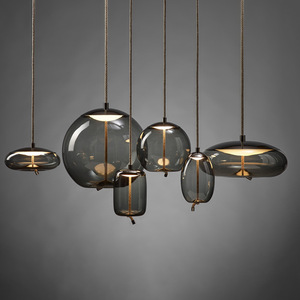
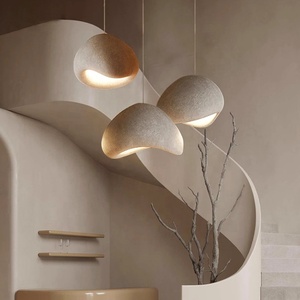
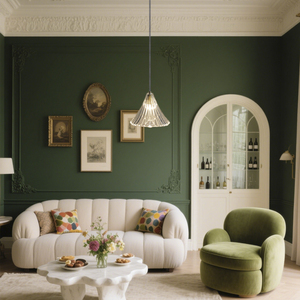
In modern architectural lighting specification, the wall sconce has evolved beyond simple ambient accentuation. Today, it functions as a primary architectural element that merges high-output LED optical physics, thermal dissipation engineering, and structural metallurgy. For international procurement managers, hotel developers, and boutique architectural specifiers, selecting a reliable OEM Metal Sconce Manufacturer & Exporter requires deep technical evaluation beyond visual aesthetics.
Global sourcing demands absolute material transparency, strict adherence to international safety codes (UL 1598, CSA C22.2, CE, RoHS), and predictable patination control. Cheaply die-cast zinc alloys and thin electroplated steel sconces frequently degrade within 18 to 36 months of installation, showing structural pitting, flaking finishes, and optical degradation—particularly in coastal or humid hospitality environments. In contrast, heavy-gauge solid brass, bronze, and structural copper wall luminaires deliver decades of unyielding reliability, natural weathering, and field repairability.
A tier-1 metal sconce manufacturing facility operates an integrated manufacturing ecosystem where raw metallurgy meets ultra-precise digital fabrication. The engineering pipeline includes four essential production pillars:
Our Milwaukee-heritage technical production framework provides international buyers with complete control over dimensioning, material selection, and electrical certification.
Eliminate site-cut improvisation. Pendants, wall sconces, and arm projections are fabricated precisely to your architectural shop drawings, accommodating non-standard junction boxes and unique ceiling heights.
We quarry-source natural Spanish and Italian alabaster, cutting and hand-hollowing every shade panel. Real stone diffuses light with an organic warm depth that synthetic resin or acrylic cannot match.
Constructed with dual EPDM silicone gaskets, drainage channels, and solid stainless steel fasteners. Rated for full exterior exposure, harsh rain, snow, and coastal salt-air environments.
As commercial procurement practices adjust to stricter ESG (Environmental, Social, and Governance) targets and shifting hospitality design paradigms, procurement managers must evaluate several macro-trends transforming the OEM metal sconce market:
The global lighting industry is rapidly pivoting away from sealed, single-use decorative fixtures that must be discarded upon LED driver failure. Leading hotel brands and commercial developers now specify modular sconce architecture where drivers, optical engines, glass shades, and mounting hardware can be independently replaced or upgraded in the field. OEM manufacturers utilizing standardized GU10/E26 retrofit sockets or field-replaceable Zhaga-compliant LED modules are securing long-term preference over non-serviceable sealed units.
Contemporary interior architecture emphasizes tactile organic surfaces. Metal sconce designs increasingly feature raw, unlacquered living metals paired with natural quarried stones, hand-woven rattan, or mouth-blown ribbed art glass. Sconces incorporating genuine translucent alabaster bowls or Wabi-Sabi inspired forged iron elements soften modern brutalist interiors while offering rich tactile contrast.
Modern luxury spaces demand sophisticated wireless and wired lighting control integration. High-end OEM wall sconces are engineered with internal metallic shielding to house compact 0-10V, Phase-Dim, DALI-2, or Bluetooth Low Energy (BLE) Casambi dimming drivers without causing RF interference or compromising the fixture's slim profile.
| Engineering Property | Solid Machined Brass (C36000) | Cast Aluminum (A380) | Electroplated Mild Steel |
|---|---|---|---|
| Corrosion Resistance | Superior (Natural Passivation Layer) | Moderate (Requires Powder Coating) | Poor (Prone to Edge Rust & Flaking) |
| Structural Integrity & Weight | Heavy Duty (High Impact Strength) | Lightweight / Brittle under stress | Medium / Easy to Dent |
| Finish Longevity & Options | Living Patinas, PVD, Hand Wax | Powder Coat Only | Electroplated Thin Coating |
| Coastal / Salt-Air Rating | Grade A (ASTM B117 > 1000 Hours) | Grade B (Requires Marine Primer) | Unsuitable for Exterior Coastal Use |
| Recyclability & Value | 100% High-Value Metal Scrap | Medium Recyclability | Low Value Scrap |
Detailed technical answers to common questions asked by international buyers, electrical specifiers, and procurement directors.
Our flexible manufacturing system supports both bespoke hospitality projects and large-scale commercial runs. Standard sample prototyping requires 7 to 10 working days following CAD/STEP drawing approval. Production batches range from low-MOQ boutique hospitality orders (20–50 units) to high-volume commercial runs (500+ units), with standard production lead times of 3 to 4 weeks depending on hand-applied patination requirements.
Every production lot undergoes strict spectrophotometric color testing and master sample matching. For stable finishes (e.g., Satin Brass, Matte Black, PVD Bronze), we utilize standardized chemical bath temperatures and precise robotic lacquer curing. For handcrafted living patinas, master artisans finish all project components in a single continuous batch to maintain uniform tone, veining, and highlight shading across every luminaire.
Yes. All custom OEM sconces can be engineered, tested, and labeled in compliance with UL 1598 / CSA C22.2 No. 250.0 standards for the United States and Canada, as well as CE, RoHS, and UKCA compliance for European and international markets. Photometric IES/LDT files and thermal test reports are provided during the submittal process.
Absolutely. We specialize in building fixtures to the inch. Whether your design requires extended arm projections to clear architectural moldings, oversized backplates to cover existing junction boxes, or custom stem drop lengths for vaulted ceilings, our engineering team modifies 3D models and CNC tooling to match exact project geometry.
Genuine alabaster and mouth-blown glass components are packaged using custom-molded high-density polyethylene (HDPE) foam enclosures and ISTA-certified drop-tested packaging. Glass and stone components are packed in individually suspended compartments within reinforced wooden crates for international air and ocean freight export.