
Rigorous photometric engineering, solid cast metal construction, and IP65/IP55 weatherproofing designed for specification-grade pathway, hospitality, and public landscape projects.
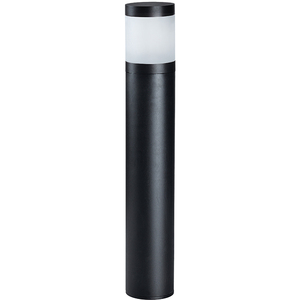
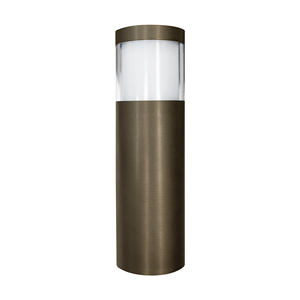
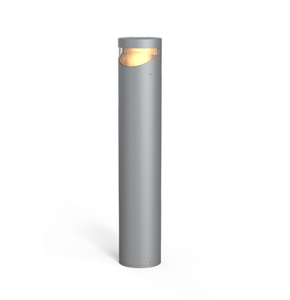
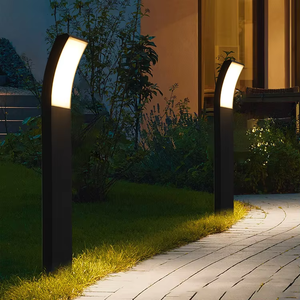
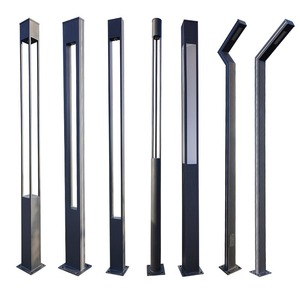
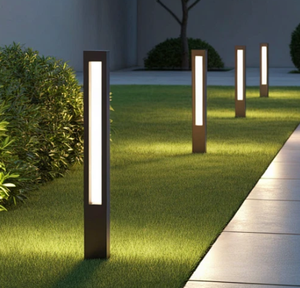
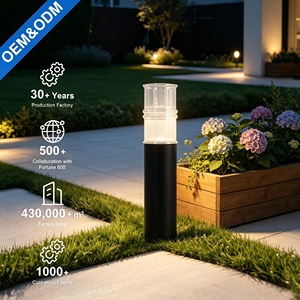
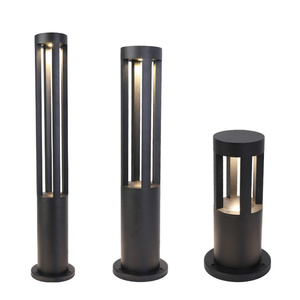
As commercial urban landscapes, luxury hospitality resorts, and municipal infrastructure evolve, the technical criteria for exterior pathway and boundary illumination have shifted dramatically. A commercial bollard light is no longer merely a decorative ground fixture; it is a critical element of safety infrastructure, architectural light-layering, and long-term facility asset management. Procuring high-performance bollard lights requires evaluating raw metallurgy, structural ingress integrity, thermal dissipation dynamics, and photometric cut-off control.
At our specialized OEM/ODM manufacturing facilities, our production philosophy synthesizes half a century of hand-assembled craftsmanship traditions—originally rooted in solid brass, bronze patination, and hand-fitted glass enclosures—with modern high-throughput precision CNC machining, SMT LED assembly, and computerized goniophotometric testing. This union of heritage engineering and advanced Opto-electronics enables us to provide specifiers, lighting designers, distributors, and EPC contractors with fixtures engineered for a 20+ year field operational life under the most severe environmental stresses.
Fabricated using virgin ADC12 die-cast aluminum or heavy-gauge CW617N extruded solid brass to guarantee zero porosity and superior structural strength against physical impacts (IK09/IK10).
Dual-stage silicone gasket channels, hydrophobic breathable pressure valves, and IP65/IP66 sealing eliminate condensation buildup and protect internal LED engines from torrential rainfall.
Integrated aluminum heatsinks designed via Finite Element Analysis (FEA) keep junction temperatures below 65°C, ensuring L80B10 lumen maintenance exceeding 50,000 hours.
Whether your application demands low-voltage (12V/24V AC/DC) landscape safety integration or high-voltage (100-277V AC) commercial perimeter lighting, our engineering team custom-configures internal drive electronics using tier-1 componentry (MeanWell, Inventronics, Philips Xitanium) coupled with 10kV/20kV surge protection devices (SPDs) to withstand grid volatility and lightning strikes.
Selecting the optimal alloy for commercial bollard luminaire construction is the single most decisive factor in determining total cost of ownership (TCO) and corrosion resistance. Below is an engineering comparison matrix designed to guide project specifiers during the material selection phase:
| Evaluation Parameter | Solid Brass / Bronze (Custom OEM) | ADC12 Die-Cast Aluminum (Standard OEM) | 316L Marine Stainless Steel |
|---|---|---|---|
| Corrosion Resistance | Immortal Living finish, unaffected by salt spray or moisture. | High resistance when treated with AkzoNobel powder coating. | Extremely high, resistant to chloride pitting. |
| Mechanical Impact (IK Rating) | IK10 (Vandal Proof, solid density structural yield). | IK08 - IK10 (Depending on wall thickness engineering). | IK10 (High tensile strength). |
| Thermal Conductivity | ~115 W/m·K (Excellent passive LED heat sink). | ~96 W/m·K (Efficient heat dissipation housing). | ~16 W/m·K (Requires dedicated internal heat sink). |
| Finish Longevity | Natural aging patina (Antique Brass / Unlacquered). | 10-15 Year Powder Coat (Thermosetting Polyester). | PVD Coated or Brushed Passivated surface. |
| Ideal Application Environment | Coastal resorts, high-end heritage sites, luxury estates. | Urban public parks, commercial plazas, residential paths. | Industrial chemical zones, harsh marine boardwalks. |
Our OEM manufacturing line provides flexibility across all three alloy categories. For coastal or high-salinity marine environments, our forged solid brass series provides an unyielding barrier against atmospheric oxidation, naturally developing a protective patina that eliminates the risk of surface flaking or structural rust.
The global exterior lighting market is undergoing a structural transition driven by urban sustainability mandates, dark-sky environmental regulations, and IoT-enabled smart city infrastructure. B2B buyers and landscape architects must align their sourcing strategies with several key technological trajectories:
Light pollution legislation across North America and Europe now mandates strict upper-light output ratios (ULOR = 0%). Next-generation OEM bollards incorporate internal louvers, total internal reflection (TIR) lenses, and forward-throw optical shields that channel 100% of generated lumens downward onto target pedestrian pathways. This eliminates stray light spill, reduces glare, and protects nocturnal ecosystems without sacrificing footcandle illumination levels.
Modern commercial developments require bollards to operate as intelligent nodes within larger Building Management Systems (BMS). Our ODM engineering incorporates standardized Zhaga Book 18 sockets or NEMA 7-pin receptacles at the bollard head, enabling plug-and-play installation of microwave motion sensors, daylight harvesting photocells, and mesh networking nodes. Automated dimming schedules (e.g., 100% output during peak evening hours, stepping down to 30% after midnight) yield up to 65% additional electrical energy savings.
For remote municipal trails, expansive national parks, or retrofit projects where trenching and wiring costs are prohibitively expensive, solar-hybrid bollards are gaining rapid adoption. Utilizing top-integrated monocrystalline solar cells, MPPT charge controllers, and medical-grade Lithium Iron Phosphate (LiFePO4) batteries housed inside the bollard shaft, these units deliver autonomous, zero-carbon lighting for up to 5 consecutive rain days.
Delivering high-reliability lighting to global markets requires a manufacturing partner with robust technical infrastructure and certified quality control processes. Our manufacturing footprint operates under ISO9001:2015 quality management systems, incorporating multi-stage validation testing at every step of fabrication:
Stem heights, bollard diameters, optical beam spreads (90°, 180°, 360°), and mounting baseplate bolt patterns can be engineered to match exact civil engineering drawings.
Aluminum components undergo chromate conversion pre-treatment followed by dual-layer thermosetting polyester powder coating, verified via ASTM B117 salt fog exposure chambers.
Every custom optic optical head is tested in our darkroom using Type-C goniophotometers, generating certified IES and LDT files for DIALux landscape lighting calculations.
From initial concept sketches and 3D CAD modeling to rapid prototyping, optical simulation, toolmaker die-casting, metal patination, SMT mounting, and final ETL/CE safety certification compliance, our in-house engineering team shortens product development cycles from months to weeks.
Over decades of supplying international lighting specifiers, we have analyzed thousands of premature field failures caused by low-cost, uncertified commodity bollard lights. Below are critical risk vectors that procurement managers must audit prior to signing supply contracts:
Cheaper bollards enclose LED engines inside sealed hollow tubes without thermal contact with the outer body, causing junction temperatures to exceed 90°C. This results in rapid color shift (SDCM > 5) and premature lumen depreciation within 12 months.
Skipping multi-stage chemical degreasing and conversion coating before powder application leads to microscopic air pockets under the paint. Moisture ingress rapidly causes paint blistering, flaking, and severe filiform corrosion.
Using non-rated internal drivers with low-tier electrolytic capacitors leads to failure during thermal cycling or line voltage spikes. We mandate drivers with MTBF > 100,000 hours at 50°C ambient temperatures.
OEM (Original Equipment Manufacturer) service involves manufacturing bollard lights based on your pre-existing engineering drawings, CAD models, and bill of materials (BOM). ODM (Original Design Manufacturer) service means our in-house engineering team designs, develops, tests, and manufactures custom bollard solutions based on your performance specifications, aesthetic concept, target price point, and market certification requirements.
Ingress protection (IP65) is maintained through precision-machined gasket grooves retaining continuous-molded UV-stabilized silicone seals, combined with watertight cable glands at the power entry point. Vandal resistance (IK10) is achieved by utilizing minimum 3.5mm wall-thickness extruded aluminum or cast solid brass housings paired with high-impact polycarbonate or toughened borosilicate glass diffusers.
Yes. All standard and ODM-customized bollard luminaires undergo rigorous photometric testing in our internal darkroom using an automated goniophotometer. We supply verified .IES and .LDT files detailing lumen output, zonal lumen summary, BUG (Backlight, Uplight, Glare) ratings, and polar candela distribution curves to support professional lighting plans.
Our standard commercial bollard lines carry ETL, cETL (UL 1598 standard for North America), CE, RoHS, and CB certificates. Drivers and LED modules are selected to comply with class I or class II electrical insulation standards, featuring universal voltage input range (100-277V AC, 50/60Hz) or 12V/24V low-voltage operation for safety compliance.
For standard aluminum catalog items, our typical MOQ is 50-100 units with a production lead time of 15-25 business days. For custom solid brass or fully bespoke ODM developments, prototyping takes approximately 10-15 days, followed by mass production within 30-40 days depending on tooling complexity and surface patination requirements.
Connect directly with our senior optical and mechanical engineering team to request sample units, technical submittal packages, custom finish samples, or OEM/ODM quotation requests.