
Explore tier-1 manufactured lanterns, luxury chandeliers, and custom outdoor pendant lights engineered for hospitality, high-end residential, and commercial developments.
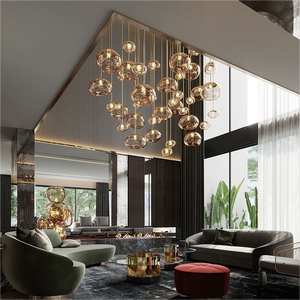
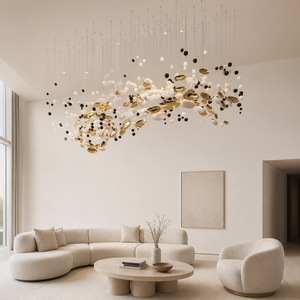
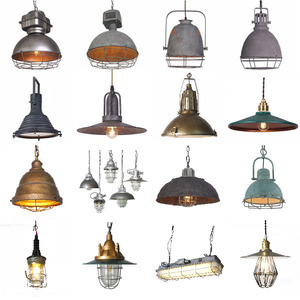
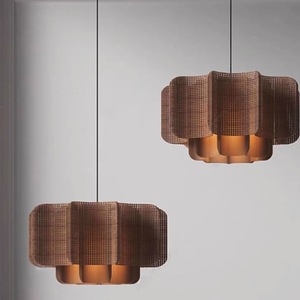
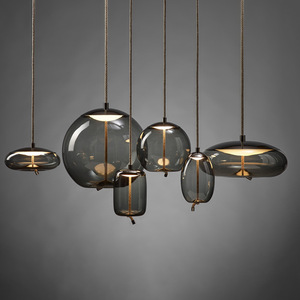
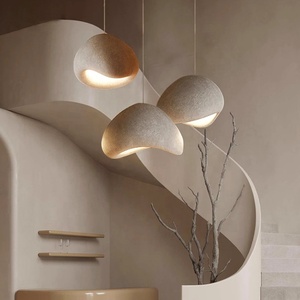
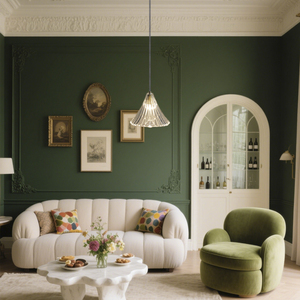
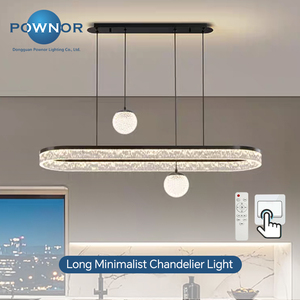
The global architectural lighting market is experiencing a profound paradigm shift. As real estate specifiers, commercial contractors, and luxury hotel designers pivot away from disposable, electro-plated steel luminaires, solid brass and bronze lantern fabrications have emerged as the gold standard for structural longevity and aesthetic prestige.
In high-corrosion coastal environments, sub-tropical resorts, and severe freeze-thaw northern climates, cheap alloy materials suffer from catastrophic rust, structural fatigue, and delamination within 18–36 months. Solid heavy-gauge brass, hand-spun copper, and quarried natural alabaster provide an immune barrier against chemical oxidation and salt air degradation.
In accordance with Search Quality Rater E-E-A-T guidelines (Experience, Expertise, Authoritativeness, and Trustworthiness), evaluating a lighting manufacturer requires rigorous technical scrutiny. Below is the multi-tier engineering matrix used by procurement officers to audit OEMs.
Top-tier factories utilize strictly structural grade C36000 free-cutting brass or C26000 cartridge brass. Unlike zinc die-cast or nickel-plated steel, genuine copper-zinc alloys exhibit high tensile strength, zero magnetic rust interference, and self-healing natural oxidation properties.
Exterior brass lanterns destined for commercial facade installation must hold UL 1598, CSA, or CE wet-location certifications. Precision factories incorporate silicone gasket channels, hand-soldered water channels, and stainless steel internal fasteners to achieve IP65 rain and dust resistance.
Commercial specifiers rarely fit off-the-shelf catalog dimensions. Premier factories provide precision engineering to the inch: custom stem drop lengths, modified backplate geometry, architectural glass swapping (seeded, opal, hand-leaded), and bespoke voltage driver matching.
A comparative whitepaper breakdown evaluating global production capabilities, metal finishing technology, lead times, and trade support infrastructure for high-volume and bespoke brass lighting manufacturing.
Primary Specialization: Custom Handcrafted Solid Brass, Bronze & Genuine Quarried Alabaster Luminaires.
Operating continuously since 1974, North American boutique workshops set the industry benchmark for historical fidelity and architectural structural integrity. Metal spinning, hard soldering, glass lead cutting, chemical patination, and UL assembly occur under one roof. Unlike mass production factories, every lantern stem and mounting backplate can be calibrated to the inch to accommodate complex cathedral ceilings or historic building facades.
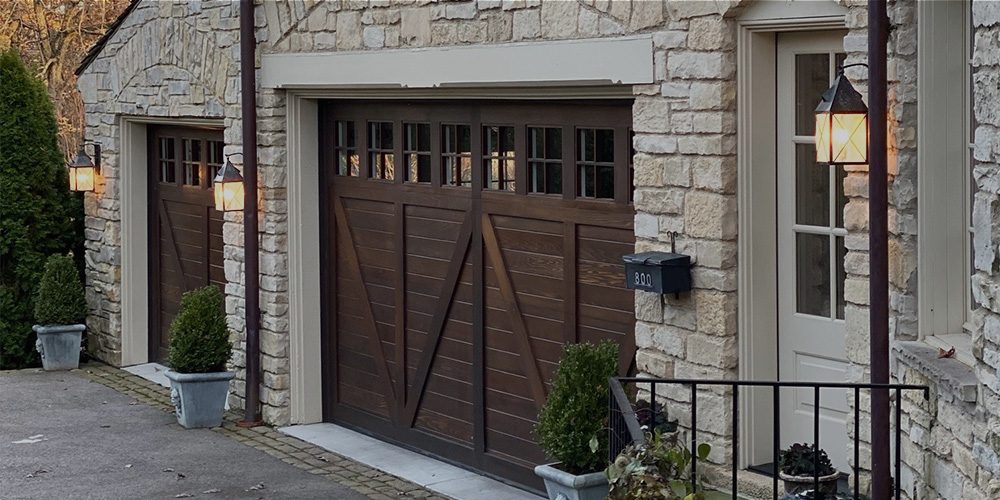
Primary Specialization: Lost-wax sand casting, Victorian street lantern reproductions, and hand-bent copper flame-lit lanterns.
European foundries excel in traditional gravity sand casting, delivering dense brass components with high relief details and ornate scrollwork. Highly preferred by heritage restoration committees and luxury estate architects across Europe. Their primary limitations revolve around extended production lead times (12–16 weeks) and higher unit freight costs.
Primary Specialization: High-volume commercial contract manufacturing, CNC brass machining, and IoT smart luminaire integration.
Representing the backbone of global B2B lighting volume, major Chinese precision hubs lead the market in rapid tooling, multi-axis CNC milling, automated electro-plating, and integrating app-controlled LED driver boards (ANNO app ecosystem, DALI-2 protocols). Capable of fulfilling multi-thousand unit orders for global hotel chains with stringent ISO9001 quality controls.
Specializing in hand-blown Murano glass lanterns encased in filigree brass frames. Exceptional for luxury hospitality lobbies.
Renowned for Spanish colonial forged brass lanterns with antiqued bronze patinas and heavy leaded glass geometry.
Pioneers in dual-fuel systems, crafting traditional brass lanterns compatible with natural gas flames and LED emergency circuits.
Focused on sleek, satin-brushed brass geometric fixtures, combining Scandinavian minimalism with precision joinery.
Combining raw unlacquered brass hardware with natural volcanic stone and organic rattan for zen restaurant lighting.
Bespoke boutique shops providing short-run custom brass fabrication specifically for A&D specifiers and high-end residential interior designers.
Experts in hand-hammered textured brass domes and rustic pierced tin/brass lanterns generating intricate ambient shadows.
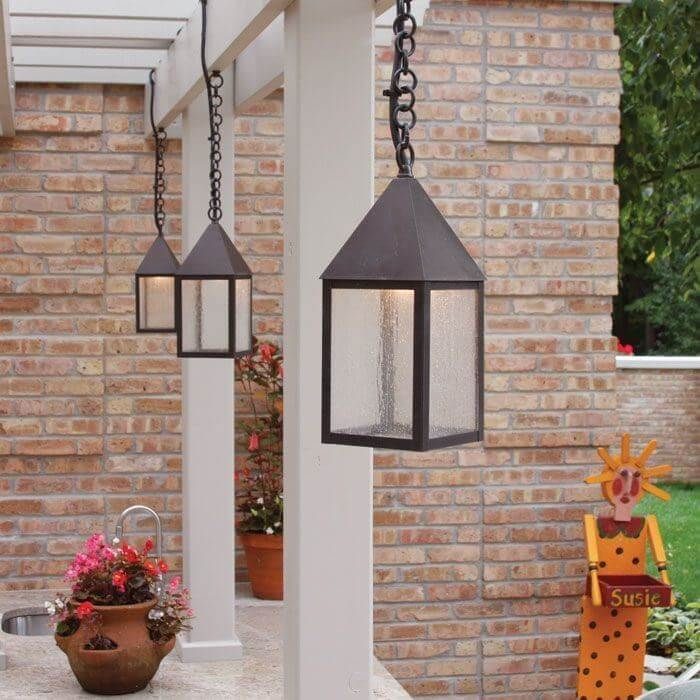
As commercial procurement evolves, technical specifiers must align their sourcing strategies with shifting architectural demands and regulatory changes:
Architects are increasingly rejecting plastic clear-coat lacquers that crack and peel over time. Sourcing is shifting toward living unlacquered brass and chemical patinas that age gracefully, developing an attractive antique verdigris patina when exposed to salt air.
Modern lanterns now incorporate embedded Tuya, Zigbee, or Bluetooth Mesh controllers directly into brass backplates, enabling app control, daylight harvesting, dynamic CCT tuning (2200K to 4000K), and emergency power fail-safes.
Combining warm solid brass hardware with hand-carved natural alabaster stone bowls is experiencing a major resurgence in high-end corridor and foyer lighting due to its superior light diffusion over acrylic or glass.
A material science comparison detailing structural durability, thermal efficiency, and lifecycle costs for real estate developers and commercial procurement teams.
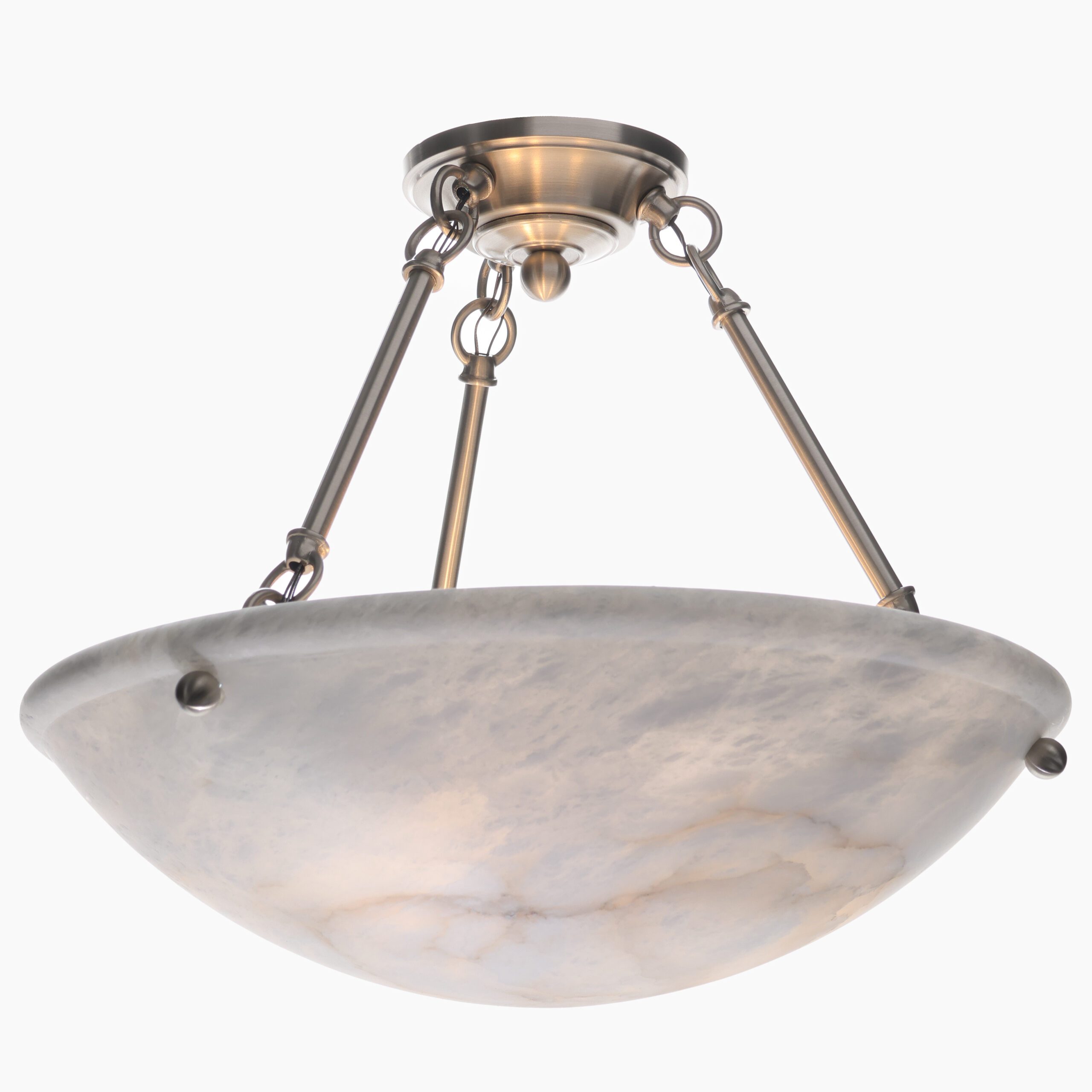
Every translucent panel or bowl is carved from quarried stone—never faux resin. Natural veining ensures every fixture diffuses light with unique depth, softness, and organic elegance.
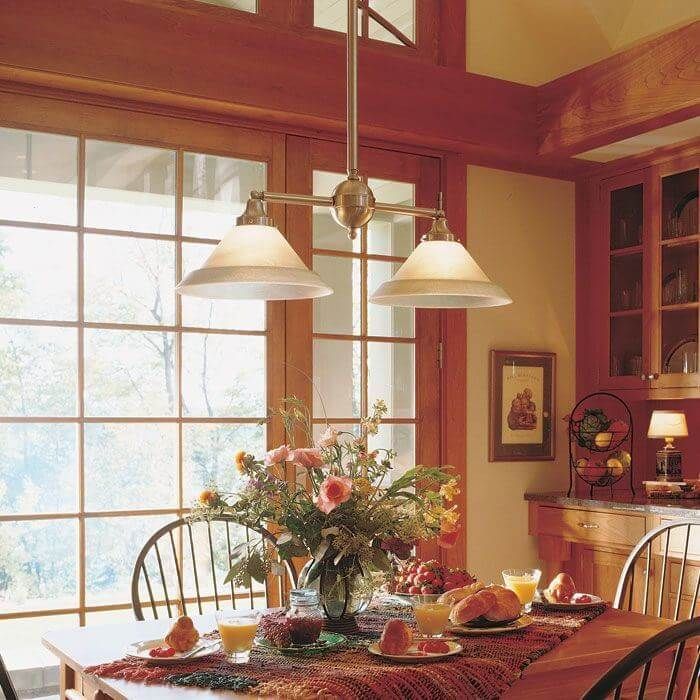
Avoid awkward sightlines or improper scale. Production lines are built to modify stem drop lengths, canopy diameters, and arm projections according to exact architectural CAD prints.
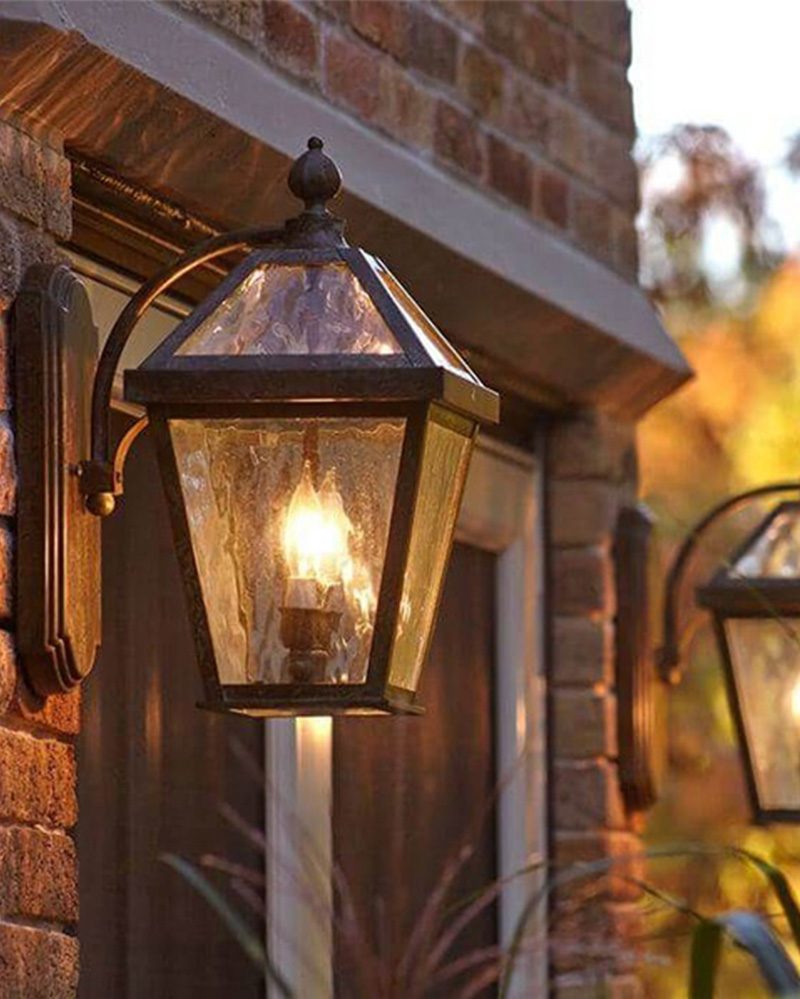
Solid brass, bronze, and copper construction prevents rust perforation. Outfitted with silicone seal gaskets and marine-grade stainless hardware for damp and wet locations.
| Technical Feature / Parameter | Solid Brass Factory Standard | Commercial Plated Steel | Aluminum Die-Cast |
|---|---|---|---|
| Base Alloy Composition | Heavy Gauge C36000 / C26000 Brass | Cold-Rolled Sheet Steel | A380 Aluminum Alloy |
| Corrosion & Salt Air Resistance | Immune to Rust (Forms Natural Protective Patina) | High Risk of Red Rust (1–2 Years) | Subject to White Oxidation & Paint Flaking |
| Structural Lifespan Expectancy | 50+ Years (Lifetime Heritage Investment) | 3–5 Years Replacement Cycle | 7–10 Years Moderate Durability |
| Customization Capability | Built to the Inch (Drop Length & Mounting) | Fixed Stamped Sizes Only | Requires Expensive Die Re-tooling |
| Recyclability & Sustainability | 100% Circular High-Value Metal Scrap | Low-Value Recycled Steel | Medium Energy Recycling |
Essential technical guidance for procurement directors, interior designers, and MEP contractors sourcing high-end brass luminaires.
Top-tier architectural brass fixtures are hand-assembled in specialized workshops (such as Milwaukee, Wisconsin in the USA or artisanal European foundries). Under one roof, metal spinning, silver soldering, chemical patination, glass cutting, and UL wiring testing take place to ensure strict dimensional tolerances and quality oversight.
Yes. Commercial factories support full customization to the inch. This includes overall stem drop lengths, canopy backplate re-engineering, arm projection modifications, and custom shade sizing to ensure correct proportions over dining tables, kitchen islands, or hotel grand foyers.
Genuine quarried alabaster stone features individual natural mineral veining and authentic translucency that diffuses light with warmth and subtle visual depth. Unlike synthetic resin or acrylic copies, genuine alabaster stone will not yellow, warp, or crack under LED thermal exposure over time.
Solid brass, bronze, and copper contain zero iron, rendering them naturally immune to red rust. When deployed in salt-air coastal environments, living brass finishes develop a protective natural antique patina without compromising structural integrity or flaking off paint coatings.
Dedicated B2B Designer Trade Programs offer full technical support including 3D CAD models, Photometric IES files, physical metal finish swatches, project documentation, and custom international voltage driver configurations (110V-277V, DALI, TRIAC, 0-10V dimming).
Request our comprehensive 2025 Product Catalog, order physical metal finish samples, or speak directly with our engineering specification team for custom quotes and CAD review.
Fast Response • Global B2B Shipping • Full Trade Discount Pricing Available