
Explore our OEM/ODM production portfolio—manufactured with high-grade solid brass, 304/316 stainless steel, die-cast aluminum, and high-efficiency solar energy systems.
Why Tier-1 architectural specifiers, hospitality developers, and international lighting distributors trust our manufacturing facilities for large-scale outdoor projects.
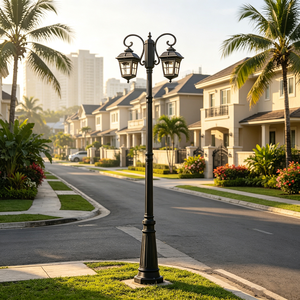
Unlike commodity vendors using thin plated steel or recycled zinc alloys, our manufacturing facility works exclusively with virgin solid brass, architectural copper, and ADC12 die-cast aluminum with multi-stage anodization to prevent salt-air corrosion.
Metal spinning, hand-soldering, glass fitting, and hand-applied living patinas occur entirely under one roof. Our proprietary hand-finishing yields timeless aesthetic depth that ages gracefully over decades without peeling or rusting.
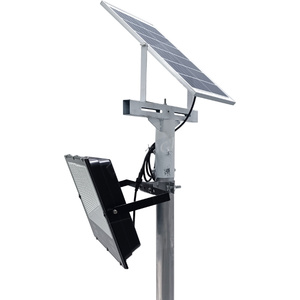
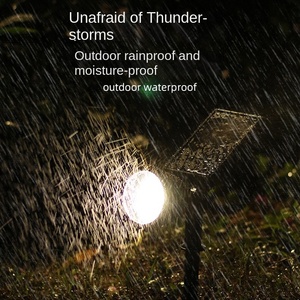
Integrating high-purity Grade-A monocrystalline silicon photovoltaic cells combined with MPPT (Maximum Power Point Tracking) charge controllers and LiFePO4 battery storage, delivering guaranteed 3-5 days continuous dusk-to-dawn lighting even during overcast weather.
The global landscape and exterior architectural lighting market has undergone a dramatic technological shift over the past decade. Sourcing managers, commercial developers, landscape architects, and wholesale distributors are no longer merely seeking low-cost illuminated fixtures; today's procurement criteria demand rigorous thermal engineering, high luminous efficacy (lm/W), verifiable IP65–IP68 ingress protection ratings, modular optical distributions, and long-term supply chain predictability.
As a premier OEM/ODM garden light manufacturer with an operational legacy spanning decades, our production eco-system resolves the historic trade-off between aesthetic distinction and industrial durability. By integrating hand-crafted metallurgy with automated robotic testing arrays, we furnish international procurement specifiers with architectural-grade landscape luminaires designed to withstand extreme thermal cycles, high humidity, and aggressive marine environments.
A fundamental failure mode in outdoor garden lighting involves premature structural degradation caused by galvanic corrosion, UV embrittlement, and moisture ingress through thermal expansion joints. The table below illustrates a comparative analysis conducted by our metallurgical quality control team evaluating common substrate materials used across global manufacturing hubs:
| Material Substrate | Corrosion Resistance | Thermal Dissipation | Expected Outdoor Lifespan | Recommended Sourcing Environment |
|---|---|---|---|---|
| Solid Brass / Architectural Copper | Exceptional (Forms protective patina) | High (~115 W/m·K) | 25+ Years | Coastal, High Salt Air, Premium Villa & Resort Projects |
| 304 / 316 Stainless Steel | Superior (Passivated Surface) | Moderate (~16 W/m·K) | 15–20 Years | Submersible Deck, Underwater Step & Inground Fixtures |
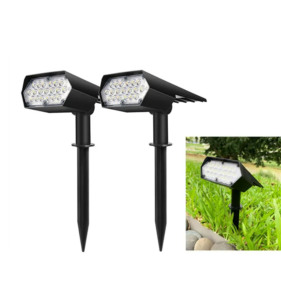
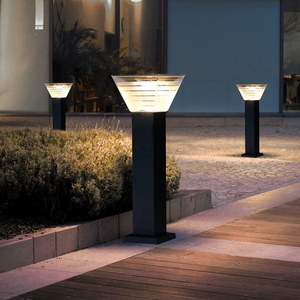
| ADC12 Die-Cast Aluminum (Powder Coated) | High (When chromate pre-treated) | Very High (~96 W/m·K) | 10–15 Years | High-Wattage Commercial Spotlights & Solar Bollards |
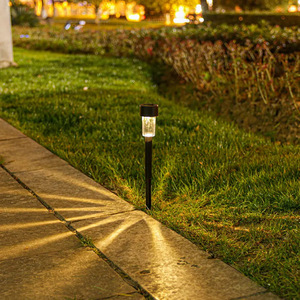
| Recycled ABS / Polycarbonate Plastics | Non-corrosive, but prone to UV yellowing | Very Low (<0.2 W/m·K) | 3–5 Years | Temporary Residential Pathway & Low-Budget Retail |
Understanding emerging technology trajectories allows B2B buyers and specifiers to future-proof their supply chains and deliver progressive illuminated environment solutions. Based on macro market research and factory R&D roadmaps, we identify four critical trends redefining commercial garden light manufacturing:
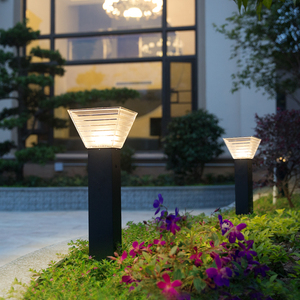
Solar-powered garden lighting has evolved beyond novelty retail consumer products into viable commercial-grade infrastructure. Next-generation solar garden lights utilize N-type TOPCon monocrystalline cells with solar conversion rates exceeding 23.5%. Paired with integrated micro-inverters, smart dusk-to-dawn sensors, and adaptive dimming profiles (e.g., 100% brightness for the first 4 hours, auto-adjusting to 30% ambient output during low-footfall hours), commercial solar bollards now eliminate trenching costs while guaranteeing year-round operation.
International environmental regulations increasingly penalize light pollution, skyglow, and glare. Sourcing directors must prioritize factories capable of engineering specialized optical beam distributions (Type I through Type V). Anti-glare optical louver arrays, micro-prism lenses, and zero-uplight (U0 rating) housings ensure garden spotlights and pathway bollards illuminate target landscapes cleanly without spilling unneeded flux into neighboring properties or damaging nocturnal biomes.
Modern commercial garden light installations require decentralized intelligence. Leading factories are embedding Bluetooth Mesh, Zigbee 3.0, and LoRaWAN connectivity modules directly into driver housing. This enables facility managers to remotely execute color-temperature tuning (2700K warm white to 6500K daylight, plus RGBW dynamic scenes), monitor real-time energy consumption, receive automated driver fault notifications, and update firmware over the air (OTA).
Corporate Sustainability Directives (ESG) are shifting vendor qualification criteria away from disposable, sealed plastic fixtures toward modular, fully repairable luminaire architecture. Sourcing from factories that offer field-replaceable LED engines, standardized IP68 quick-connect drivers, and toolless housing access drastically reduces life-cycle e-waste while lowering long-term maintenance overhead for hotel operators and municipal councils.
To mitigate supply chain risks—such as batch-to-batch color temperature shifting, driver failure, water ingress, and shipping delays—procurement officers should perform rigorous technical evaluations. Below is the multi-point verification framework utilized by premier engineering consultancies when auditing garden lighting production facilities:
Direct answers to critical questions asked by lighting engineers, wholesale distributors, and commercial procurement specifiers.
Standard production lead times for catalog garden light models range between 15 to 25 business days. For fully custom engineered fixtures requiring dedicated CNC tooling, custom glass molding, or specialized patinations, initial sample approval takes 10 to 14 days, followed by mass production delivery in 30 to 35 days.
Our commercial solar garden fixtures are engineered with oversized high-efficiency monocrystalline solar panels and premium LiFePO4 battery chemistry. Coupled with intelligent MPPT charge management software, the system automatically calibrates energy discharge rates based on ambient light duration, maintaining multi-night illumination reserve even during extended overcast winter days.
Yes. As an authentic craft-and-engineering factory, all pendant stems, pier mount bases, post-top adapters, and wall sconce backplates can be customized to exact architectural dimensions down to the millimeter or inch. This eliminates on-site cutting or modification improvisations by installation contractors.
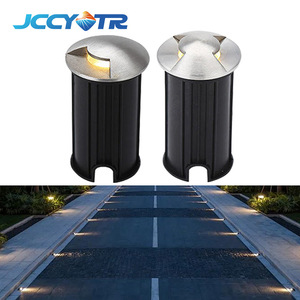
For elevated wall sconces and covered porch fittings, an IP65 rating is sufficient. For pathway bollards, lawn spotlights, and ground-spike luminaires exposed to heavy irrigation or rain, we recommend IP67. For in-ground step lights, stair deck fittings, and underwater features, IP68 rated construction with IK09–IK10 tempered glass is mandatory.
Absoluely. For coastal projects within 5 miles of salt water, we specify solid unlacquered or patinated brass, architectural copper, or 316 marine-grade stainless steel. Unlike plated steel or basic painted aluminum, solid non-ferrous metals develop a protective oxide film that resists pitting and prevents rust-through completely.
We supply complete technical specification sheets, 3D CAD models, certified IES photometric data files for lighting design simulation, step-by-step installation manuals, and comprehensive warranty documentation (3 to 10 years depending on luminaire specification series).
Whether you are specifying custom solid brass luminaires for a luxury resort project, upgrading commercial solar infrastructure, or expanding your wholesale lighting catalog, our engineering desk is ready to support your technical specifications.