
Precision-engineered lighting fixtures designed for high-end residential estates, commercial hospitality, and harsh tropical microclimates across Brazil.
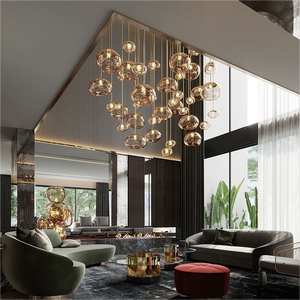
Smart app-controlled luxury brass and glass architectural light for grand villa foyers and high-ceiling atrium entrances.
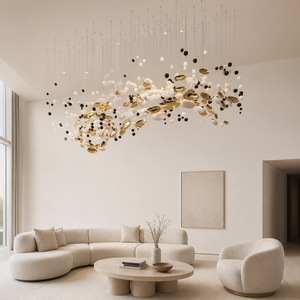
Custom-configurable hand-blown glass installation built to specification for Brazilian luxury resort lobbies and staircases.
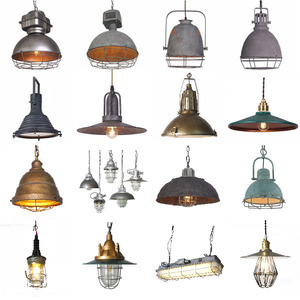
Heavy-duty cast alloy retro aesthetic engineered for boutique restaurant interiors, dining patios, and modern urban bars.
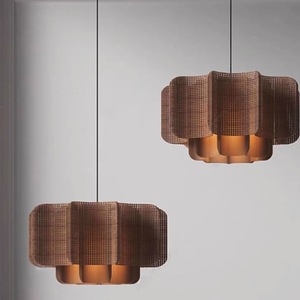
Natural organic stone texture blended with woven details, creating glare-free ambient lighting for tropical sanctuary spaces.
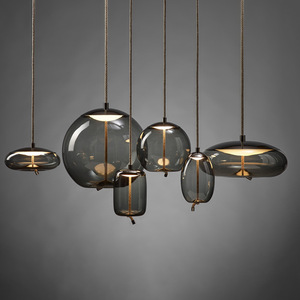
Smoked translucent blown glass combined with marine-grade twisted detail, ideal for coastal Brazilian dining venues.
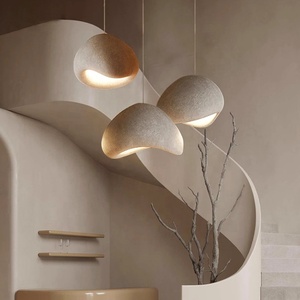
Sculptural minimalist form designed to complement tropical hardwood furniture and architectural concrete in contemporary homes.
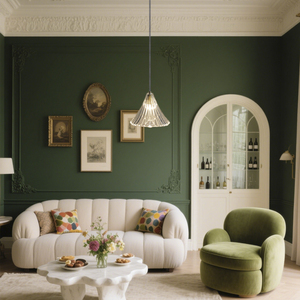
Precision glass and brass accent lamp engineered for boutique hotel guest rooms, hallway accents, and residential corridors.
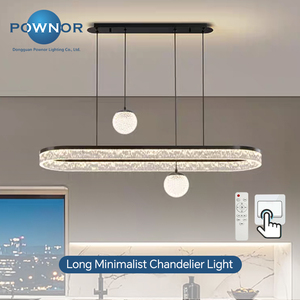
Linear multi-globe chandelier harmonizing architectural geometry with soft diffused illumination for grand dining tables.
As Brazil experiences a rapid expansion in luxury real estate, eco-tourism resorts, and high-end gated residential communities (condomínios fechados), the demand for high-performance landscape lighting has shifted dramatically. Foreign importers, lighting specifiers, landscape architects, and electrical distributors across São Paulo, Rio de Janeiro, Florianópolis, and the coastal Northeast require pathway luminaires that combine aesthetic sophistication with rigorous engineering.
Specifying outdoor path lights for Brazil presents unique environmental and regulatory challenges. From the salt-laden atmospheric corrosion along 7,491 kilometers of Atlantic coastline to intense tropical humidity, high UV radiation index, and localized electrical grid variations (such as 127V vs. 220V dual-voltage standards across different states), off-the-shelf commercial fixtures frequently fail within 12 to 18 months. This technical guide outlines the material metallurgical standards, INMETRO compliance frameworks, optical distribution geometries, and localized design trends necessary to succeed in supplying low-voltage and line-voltage path lights to the Brazilian market.
Information Gain Insight: Standard aluminum or die-cast alloy path lights undergo rapid galvanic oxidation when exposed to Brazil's coastal humidity and salt air. True solid brass, bronze, and heavy-gauge copper construction develop a natural protective patina over time rather than flaking, pitting, or failing electrically.
When selecting path light manufacturers for Brazilian distribution or project specification, material composition is the primary determinant of fixture lifespan. Brazil’s environmental microclimates demand rigorous physical component selection:
Compliance with Brazilian electrical standards is vital for smooth customs clearance via major ports such as Santos, Paranaguá, and Suape, as well as for passing local municipal building inspections:
| Technical Parameter | Standard Brazilian Requirement | Our Engineering Specification |
|---|---|---|
| Grid Voltage & Frequency | Dual Voltage: 127V / 220V @ 60Hz (Varies by state) | Universal 90-305V AC step-down transformers or 12V/24V DC Low Voltage systems |
| Electrical Safety Standard | ABNT NBR 5410 / NBR IEC 60598-1 | Class I & Class II insulated drivers with grounded brass grounding studs |
| Ingress Protection (IP) | Min. IP65 for landscape pathways; IP67 for flush ground lighting | IP67 / IP68 certified sealed optical chambers with pressure-equalizing breathers |
| Corrosion Resistance | ASTM B117 / ISO 9227 Salt Spray Norms | 1,000+ Hours neutral salt spray tested solid brass, bronze, and copper housings |
| Color Temperature (CCT) | 2700K - 3000K Warm White (Preferred for Brazilian hardwoods) | High CRI 95+ Nichia/Cree LEDs tuned specifically for warm outdoor ambience |
Understanding where and how landscape path lights are deployed across Brazil allows specifiers and commercial developers to choose the ideal optical distribution and fixture form factor:
Beachfront properties face aggressive marine salt fog and high humidity. In these locations, path lights are used to delineate walkways from infinity pools to private docks. Luminaires must feature downward-directed glare control (Dark-Sky compliant) to preserve ocean nighttime sightlines while offering complete corrosion resistance. Solid brass bollards with integrated 12V low-voltage transformers are the industry standard for safe installation near saltwater zones.
In high-density luxury gated developments (condomínios fechados), landscape architects utilize low-profile brass stem path lights to highlight lush tropical foliage, such as monsteras, bromeliads, and imperial palms. Fixtures must feature customizable stem lengths (ranging from 18 to 36 inches) so light emitters sit clear of dense ground cover while casting a wide 120-degree light pattern along cobblestone and travertine paths.
Boutique hospitality properties emphasize natural materials and organic harmony with nature. Path lights integrated with hand-sculpted natural alabaster or frosted ribbed glass diffuse harsh LED hotspots into soft ambient glows. Eco-resorts prioritize 2700K extra-warm color temperatures to avoid disturbing local wildlife and marine turtle nesting beaches along the Atlantic coast.
Integration of Bluetooth Mesh, Casambi, and Zigbee protocol drivers inside brass path light bases, allowing residential owners in São Paulo to control landscape scenes via smartphone applications.
Architects are moving away from 127V/220V line-voltage path lighting towards 12V low-voltage AC/DC systems to prevent electrocution risks in rain-soaked tropical soils and garden areas.
Municipalities and luxury developers increasingly demand full-cutoff path light heads that eliminate skyglow and prevent direct line-of-sight eye glare along pedestrian garden trails.
With over five decades of lighting manufacturing heritage, our workshop specializes in custom-engineered solid brass, bronze, and natural stone luminaires built to order. Unlike mass-production factories, we offer technical specifiers for the Brazilian market complete control over every fixture detail:
Essential technical and commercial information for Brazilian importers, architects, electrical contractors, and lighting specifiers.
Our path lights are built exclusively from heavy-gauge solid brass, architectural bronze, and pure copper—never plated aluminum or zinc alloys. Brass naturally resists salt-air oxidation and will not rust through. Additionally, all optical engines feature dual EPDM silicone O-rings rated to IP67/IP68 ingress protection standards, keeping out humidity and tropical rainwater.
We supply path lights compatible with both 12V/24V low-voltage transformers (recommended for safe outdoor landscape usage under ABNT NBR 5410) and universal line-voltage drivers (90V-305V AC @ 60Hz). This ensures seamless operation regardless of whether your project is located in a 127V region (like São Paulo city) or a 220V region (like Brasília or parts of Northeastern Brazil).
Yes. Every path light fixture is built to order. We can adjust stem heights by the inch to clear dense tropical ground vegetation. We offer hand-applied patinas including Antique Brass, Dark Bronze, Raw Living Brass, and PVD Weather-Resistant Satin Brass.
Absolutley. We support architects, specifiers, and lighting designers across Brazil with full IES photometric files, 3D CAD models, metal finish swatches, and physical sample units for project mock-ups and client presentations.
Standard production lead time is 2 to 4 weeks depending on order volume and customization complexity. We ship via air freight for urgent project timelines (delivery directly to GRU or GIG airports) or via ocean container freight to major ports such as Santos, Paranaguá, and Suape.
Connect directly with our engineering and trade desk to request technical spec sheets, custom pricing, finish samples, or Dialux photometric guidance.
Contact Us